
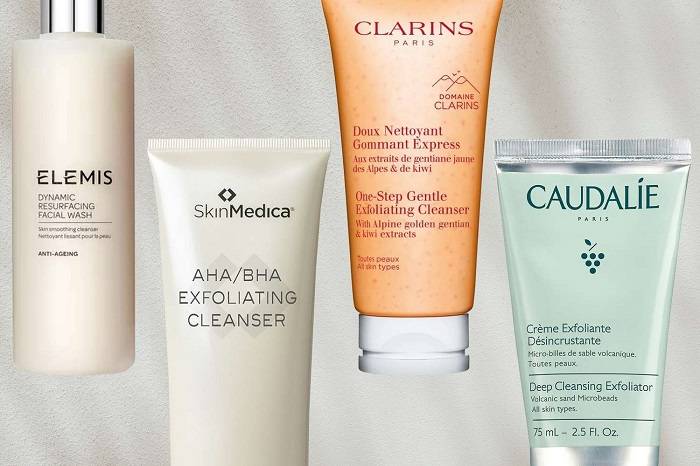
Gentle exfoliants for sensitive skin in 2026 help smooth texture, fade dullness, and support the skin barrier without sting or redness. They rely on mild acids, enzymes, and very soft polishing agents that respect already reactive skin.
Best Gentle Exfoliants for Sensitive Skin in 2026 – Rodan + Fields
Why Sensitive Skin Needs Gentle Exfoliation
Sensitive skin is not rare anymore. Recent global surveys suggest that up to 70% of people describe their skin as sensitive, and that number has climbed sharply over the past 20 years. Modern life, pollution, and strong skincare routines all play a part in this rise.
Dermatology papers show that when the skin barrier is stressed, transepidermal water loss (TEWL) increases, which means more water escapes and the face feels tight, itchy, or flushed. Over‑scrubbing or using harsh acids can push TEWL even higher, leaving the skin drier and more reactive over time.
What “Gentle Exfoliation” Really Means
Gentle exfoliation is less about doing more, and more about removing only what the skin is ready to shed. It respects the outer layer of the skin (the stratum corneum) so that the barrier can keep irritants out and water in.
Dermatology reviews highlight a few key ideas for reactive skin:
- Mild, low‑dose exfoliants used less often keep the barrier more stable.
- pH‑balanced formulas that sit close to the skin’s natural pH cause less sting.
- Hydrating and soothing ingredients should sit in the same formula to buffer any potential irritation.
When exfoliation feels like a “burn” rather than a mild tingle, that is the skin’s way of asking for a gentler approach.
Types of Gentle Exfoliants for Sensitive Skin
Mild leave‑on chemical exfoliants
Research on TEWL and barrier function shows that over‑exfoliation with strong acids can weaken the barrier and increase water loss. For sensitive skin, the safest path is low‑strength, well‑buffered acids or acid‑like ingredients.
Common gentle options include:
- Polyhydroxy acids (PHAs)
PHAs (such as gluconolactone or lactobionic acid) have larger molecules than common AHAs, so they sink more slowly into the skin and are often better tolerated by reactive faces. Studies suggest they can smooth texture while also drawing in moisture thanks to their humectant nature. - Very low‑strength lactic acid
Lactic acid is naturally present in the skin’s hydrating system and, in low percentages and higher pH, can help with mild flaking and dullness without as much sting as stronger AHAs. Sensitive users typically do better with lactic formulas that include moisturizers and soothing agents. - Mild BHA for clogged‑pore prone sensitive skin
Some people have both sensitive and congestion‑prone skin. In that case, a very low percentage of a beta‑hydroxy acid in a hydrating base can help loosen debris inside pores. Usage still needs to stay very conservative to avoid barrier stress.
The most skin‑friendly exfoliating toners or serums lean on short, gentle ingredient lists plus hydrators, not long lists of “peel‑like” acids.
Enzyme‑based exfoliants
Enzyme exfoliants use fruit‑derived or lab‑made enzymes that “digest” only the loose, dead cells on the surface. Because they act more selectively and do not depend on low pH, many sensitive skin users find them calmer than classic acids.
Typical benefits of enzyme formulas:
- Softer feel after use, with less redness.
- Less disruption of the skin’s natural lipid balance.
- Often combined with hydrating ingredients like glycerin.
For someone whose skin flares at the word “acid,” an enzyme mask used once every week or two can be a welcome middle ground.
Ultra‑fine, non‑scratchy physical exfoliants
Physical exfoliation can still fit into a sensitive‑skin routine, but only under strict rules. Studies on facial scrubs show that harsh particles and heavy hand pressure can irritate the skin surface. At the same time, very fine, rounded particles used gently can be tolerated by some people.
Safer guidelines for sensitive users include:
- Choosing ultra‑fine, rounded particles rather than jagged shells or crystals.
- Limiting use to at most once a week and using feather‑light pressure.
- Always pairing a scrub with a soothing, fragrance‑free cleanser and rich moisturizer.
Microbead research also shows that over half of tested scrubs still contained plastic microbeads in 2025, even in places with bans, which raises environmental concerns. Many readers may want to lean toward microbead‑free choices that use biodegradable exfoliating agents instead.
How Often Should Sensitive Skin Exfoliate?
There is no single number that works for everyone, but dermatology sources tend to land on a cautious range for reactive skin. The main idea: start low, go slow, and let the skin’s behavior lead the schedule.
General ranges often suggested for sensitive skin include:
- Chemical or enzyme exfoliant: 1–2 times per week.
- Very gentle scrub: no more than once per week, and sometimes only once every other week.
- No mixing of multiple exfoliants in the same routine unless a professional has guided that plan.
If someone notices burning, persistent redness, or tightness that lasts beyond an hour, that is a sign to pull back, increase moisturization, and allow the barrier to recover.
How to Choose a Gentle Exfoliant in 2026
Read labels with the barrier in mind
Modern skincare research points again and again to the importance of the skin barrier and its acid mantle. Ingredients that support lipids and hydration usually pair best with gentle exfoliation.
Sensitive‑friendly exfoliants often include:
- Humectants like glycerin or hyaluronic acid.
- Skin‑like lipids such as ceramide‑rich complexes.
- Soothing agents like panthenol or certain plant extracts tested for low irritation.
On the other hand, people with reactive skin usually do better avoiding:
- High percentages of strong acids layered together.
- Rough scrubs used more than once a week.
- Added fragrance, which is a common trigger in sensitive skin studies.
Readers can also pair a gentle exfoliant with other barrier‑supporting steps, such as using a mild cleanser and applying a rich, fragrance‑free moisturizer afterward.
Match texture and format to skin mood
The right texture often depends on how “needy” the skin feels that week.
- When the face feels dry and tight: a milky exfoliating lotion with PHAs and moisturizers can work better than a gel.
- When the skin feels oily but touchy: a lightweight gel or serum with a low‑dose BHA or mix of very mild acids may feel fresher.
- When someone wants the softest possible option: an enzyme mask used briefly once a week is often the easiest to tolerate.
Sensitive skin is allowed to change its mind. Seasons, hormones, stress, and new products all shift how it reacts, so the exfoliant might also change through the year.
Building a Gentle Exfoliation Routine Step by Step
Sensitive skin routines work best when they are simple and repeatable. Complex multi‑step “peel nights” often raise the risk of a flare.
A calm exfoliation routine can look like this:
- Evening only
Most sensitive skin handles exfoliation better at night, when the person is away from sun exposure that could amplify irritation. - Soft cleanse
Use a non‑stripping, low‑foam cleanser with no physical scrub particles. This prevents “double exfoliation” that might stress the barrier. - Gentle exfoliant
Apply a thin layer of a mild acid toner, serum, or enzyme product. Avoid rubbing; let the formula sit on its own. - Hydrating layers
Follow with a hydrating serum and a barrier‑supporting moisturizer to help reduce TEWL. - Sun protection the next day
Since exfoliation exposes fresher cells, broad‑spectrum sun protection the next morning becomes even more important to protect from UV stress.
Common Mistakes Sensitive Skin Should Avoid
Even with the best exfoliant, certain habits can make sensitive skin flare.
- Layering multiple exfoliants in one night
Using a peel pad, an acid serum, and a scrub in the same routine is a fast route to burning and peeling. - Skipping moisturizer after exfoliation
Barrier‑science articles link under‑moisturizing and over‑exfoliating with higher TEWL and disruption. Hydration after exfoliation is non‑negotiable for sensitive skin. - Using strong exfoliants before big events “for glow”
Sensitive skin can react on a delay, with redness and patchiness showing up hours later. Safer to stick with a proven mild product. - Ignoring early signs of irritation
Persistent tingling, warmth, or itching are signals to pull back frequency, switch to something gentler, or pause exfoliation altogether.